
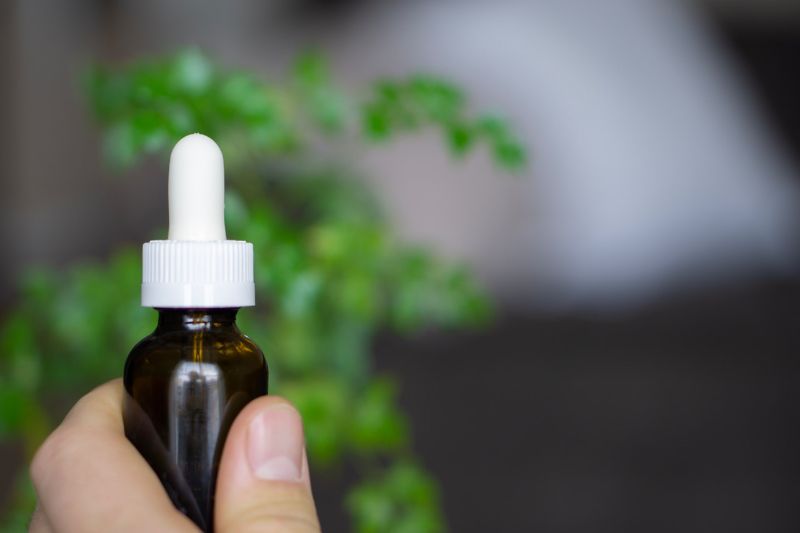
When it comes to relieving headaches and migraine episodes, peppermint oil is a popular choice. Relaxed muscles and soreness can be alleviated by the presence of menthol in this product.
Before You Continue...
Do you know what is your soul number? Take this quick quiz to find out! Get a personalized numerology report, and discover how you can unlock your fullest spiritual potential. Start the quiz now!
Applying diluted peppermint oil topically may help alleviate the pain associated with both tension headaches and migraine attacks.
How do you use essential oils for migraines?
For headaches and migraines, dabbing a few drops of essential oil on the temples and forehead (or any other painful area) is the most common method of relief.
You should dilute them with a carrier oil like coconut or jojoba oil because they are so potent and might create skin sensitivities. For every tablespoon of carrier oil, only one to three drops of essential oil are required.
Quick relief can be obtained by inhaling the oil directly from the container or through a cotton ball soaked in the oil. Other options include a diffuser or a candle, which can be used for one hour at a time.

Where do you put peppermint oil for migraines?
Taking a bath helps reduce the intensity of a headache. Add a few drops of diluted peppermint oil to your bath to get the most out of it. For those who suffer from migraines and find that bright lighting exacerbates their symptoms, try using a candle instead. The best way to avoid or lessen the effects of headaches is to take a hot shower or bath.
Inhale peppermint oil with steam
Add 3 to 7 drops of essential oil to a cup of boiling water. Close your eyes and inhale through your nose while you wrap a towel around your head. Take no more than two minutes to complete this task. You may find relief from sinus headaches by inhaling steam, especially when you are also experiencing congestion symptoms.
Add it to your massage oil
Before using essential oils directly to the skin, they must be diluted with a carrier oil. 3 to 5 drops of essential oil to 1 ounce of sweet almond oil, warmed coconut oil, or mineral oil is usually the appropriate ratio. Nut-based oils should be avoided by anyone with a nut allergy.
You should perform an allergy test before using any essential oil. Add 3 to 5 drops of essential oil to 1 ounce of your favorite carrier oil and shake well. Use immediately. Your forearm should be covered in the mixture. After 24 to 48 hours, if there is no reaction, the essential oil is okay to use.
Then use your fingers to apply a few drops of the oil combination to your temples, back of your neck, shoulders, and chest. Muscle spasms in this area of your body might produce tension headaches.
How do you permanently cure a migraine?
In spite of the fact that there is no long-term cure for migraine, many people who suffer from chronic migraine employ a variety of treatments to find long-term relief. Some treatments are effective in reducing the intensity and duration of current episodes. Others are focused on reducing the risk of another attack. These are some examples:
Does frankincense help with headaches?
Get sick or have a headache and can't seem to get it under control? Essential oils have been used for centuries to cure a variety of common diseases. There are five essential oils that can aid the body's ability to recover, according to Bethanny Gonzalez, a licensed aromatherapist who teaches essential oil advantages at Naples-area yoga studios and botanical gardens.
- Anti-inflammatory and immune-boosting characteristics make frankincense one of the most versatile essential oils. When it comes to cleaning cuts and relieving migraines, frankincense oil is just as effective as lavender. A drop or two of oil placed on your thumb and pressed to the roof of the mouth is recommended by Gonzalez for better migraine treatment.
- As eucalyptus has a cooling and refreshing effect on the bronchial airways, it can help alleviate the symptoms of a cold. Eucalyptus oil can be used in a diffuser or, as suggested by Gonzalez, in a steaming pot of water and inhale the vapor.
- Peppermint: Do you have aches and pains after exercising? Apply a mixture of 15 drops of peppermint oil and a half cup of carrier oil on the afflicted areas. Blend a few drops with a carrier oil and apply to the temples, hairline, and back of the head for headaches or migraines.
- In addition to being an antibacterial and aiding in the healing process, lavender has relaxing characteristics that can help alleviate tension. Bathe in a bath with 15 drops of this essential oil mixed with a cup of sea salt to help you wind down.
- It's thought that Clary Sage essential oil might help alleviate period cramping and mood swings, as well as boost blood flow. A quarter cup of a carrier oil should be blended with 20 drops to reduce skin irritation and applied to the abdomen, according to Gonzalez.
Where do you rub lavender oil for headaches?
Diffuse ten to twelve droplets of lavender oil into the air, apply one drop on the back of your neck or temple, add ten drops of lavender oil to a warm bath, or blend two drops with your body lotion for external use.
What causes migraines to start?
Migraines can be brought on by stress, whether it's at work or at home. stimulus for the senses. A migraine can be triggered by bright or flashing lights, as well as loud noises. The smell of perfume, paint thinner, and secondhand smoke can elicit headaches in some persons, who are sensitive to these scents.

Is tea tree oil good for headaches?
There are a number of modest lifestyle modifications you may do to alleviate the symptoms of a sinus headache. Drinking more water, or even having a hot shower, will help!
Use a humidifier
You can alleviate a sinus headache by using a humidifier to increase the moisture level in your environment. As the mucus in your nose thins due to the increased humidity, it can also aid improve your breathing.
Congestion occurs when the mucus in your sinuses gets too hard to drain because of dry air. Congestion and pain in the sinuses can be eased by using a humidifier to release mucus secretions. In addition, chilly air helps reduce nasal irritation, which can alleviate your sinus pain.
There is a vast variety of humidifiers on the market nowadays, which is why they are so widespread.
Essential oils can also be used in conjunction with a humidifier to enhance its effectiveness. Tea tree oil and eucalyptus oil are also good possibilities. Peppermint oil is also a good choice. The benefits of essential oils will be explained in greater depth later on in this essay.
Take a hot shower
Sinus headaches can be alleviated by thinning out your mucus, which reduces sinus congestion. Taking a hot shower helps thin out your mucus because they are more humid than cool showers.
It is not only beneficial to take a hot, steamy shower before going to sleep, but it can also help you get a better night's sleep. Taking a hot shower can assist alleviate aches and pains in the body, as well as loosen tense muscles. They aid in your general health and well-being by allowing you to unwind.
After taking a hot shower, you can sit in a steamy bathroom and inhale the steam to alleviate sinus pain and discomfort. Helping your body relax will also alleviate your nasal congestion, making your discomfort less severe.
Essential oils can be added to a warm bath if you have access to a tub. Your sinuses will be relieved by inhaling the steamy air.

Salt water irrigation
Salt water irrigation, or a sinus flush, is used to alleviate the symptoms of a runny nose and sinuses. If you're suffering from sinusitis, this is a simple home cure you may try.
DIY nasal flush isn't that difficult to put together. Premixed sachets of saline can be purchased over the counter and a neti pot are all you need.
In order to clean your sinuses using salt water irrigation, here are some simple steps:
Saline solution can help clear your sinuses, but it can also irritate your throat if you don't drain the water from the other nostril. Throughout the process, you'll be forced to use your mouth to breathe. After emptying your nostrils, blow your nose gently to remove any remaining mucus.
It's vital to keep these factors in mind while you're using saline water to clear your nose. Make sure the water you're using isn't too hot or too cold; warm is preferable. Don't use saline solution if it's hazy or contaminated.
It's important to keep in mind that youngsters and newborns who don't know how to breathe through their mouths should not be subjected to salt water irrigation.
Use a saline nasal spray
You can get saline nasal sprays at your local pharmacy or health and wellness store, and they're pretty similar to the salt irrigation method we looked at before.
Because they come in a squirt or pump bottle, nasal sprays are smaller and easier to transport than salt irrigation solutions. It will also save you the time and effort of making your own saline solution. Saline solutions, on the other hand, tend to have a shorter shelf life than these nasal sprays.
- Place the spray bottle under the nostril you've closed and begin administering the solution.
- Don't shoot at the centre of your nose, where the septum is located, as this could cause harm.
- Squeeze the spray applicator gently while taking a small breath through your nose.
Regular usage of saline nasal sprays can make them more expensive in the long run.

While saline nasal sprays can alleviate symptoms, they don't go to the bottom of your sinus problems, so they aren't the best option. Consequently, if you suffer from sinus difficulties as a result of allergies, you should eliminate or avoid any allergens that you are in contact with.
A nasal spray can be purchased in Singapore. Three different types of nasal sprays are available. To learn more about how they can help with nose issues, keep reading.
Apply a warm compress
The sinuses might become inflamed and swollen if you apply a heated towel to your forehead and nose. You can use it as an easy home treatment before you go to sleep.
The heated cloth helps open up your nasal passages by reducing edema and so opening your nasal channel. Mucus secretion and flow will also benefit from this.
To alleviate a sinus headache, try using a warm compress as follows:
- Put some water in a bowl that's a little bit warmer than your body temperature. Check to make sure it isn't too hot.
- You should keep your hands on the towel for up to 20 minutes at a time.
- After taking the bag out of the microwave, seal it and put it away. Be cautious, since the bag will be extremely hot to the touch.
Spicy food
You can open your nasal passageways by eating spicy meals. Ginger, raw garlic and onions, chilies, and spicy mustard are some of the spices that might alleviate nasal headaches.
If you're in Singapore, you may easily incorporate these spices into your food because Indian and Malay cuisines often include a lot of these spices in their ingredients. You can find recipes using these spices online if you prefer to prepare your own food. When you go grocery shopping, you might choose to stock up on these ingredients.
Acupressure
Pressure is given to particular points on your body to alleviate symptoms of pain and sickness with acupressure, a kind of traditional Chinese medicine.
Acupuncture has been used to treat colds, flus, and sinus disorders, despite the lack of a scientific explanation for how these therapies operate. A professional practitioner might also be hired to carry out the procedure for you.
Your sinus pain can be alleviated by massaging your cheekbones and the bridge of your nose, which helps release tension and pressure. Keep in mind, though, that you may injure yourself with excessive force. Maintain a firm yet soft grasp on the subject.
To further alleviate your sinus headache, you'll want to focus on massaging certain spots on your body. In areas where you are doubtful, do not exert pressure.
Essential oils
It is well accepted that essential oils can have a positive impact on one's overall health. They are, in fact, widely used to treat colds, allergies, sinus infections, and flu.
Essential oils can be used to treat a wide range of health issues. You should purchase essential oils that open the airways and relieve congestion if you have sinus problems.
Smell good and get rid of sinus headaches using the following essential oils:
Peppermint oil
The menthol in peppermint oil helps to open your airways and remove congestion. As one of the causes of sinus congestion, studies have shown that peppermint oil can also combat bacteria. Peppermint oil has also been demonstrated to decrease inflammation in animal studies.
If you're lucky enough to have a bathtub, consider adding a few drops of peppermint oil before getting in. It's also possible to add a few drops into a warm bowl of water. Stuffiness and other sinusitis symptoms may be relieved by inhaling steam.
In addition, peppermint-based nasal decongestants may be beneficial.
Antihistamines and nasal decongestants are two options for relieving a runny nose. Find out everything there is to know about the distinctions between the two.
Eucalyptus oil
It's claimed that cineole, a component in eucalyptus oil, can assist alleviate sinus and headache pain. Symptoms of sinusitis, such as headaches, nasal congestion, and a runny nose, were alleviated in a small-scale research in 2009.
Eucalyptus oil is used in various over-the-counter medicines, including decongestants and chest massages, as well as in aromatherapy. Your nasal congestion and stuffiness can be alleviated by using these products.
It is possible to utilize eucalyptus oil in the same manner as peppermint oil. Breathe in the steam for a few minutes after adding a few drops to your bath or a warm bowl of water. With a diffuser, you can even use it in your room.
Tea tree oil
Antibacterial and antiviral properties of tea tree oil can help alleviate the symptoms of sinusitis.
Tea tree oil contains a component called alpha-sabine that has antiviral, antibacterial, and antifungal properties, according to a research review published in 2015. Tea tree oil may be an essential oil to try if you have a bacterial infection in your sinuses.
Tea tree oil, like eucalyptus oil and peppermint oil, can be used with a diffuser. Tea tree oil has anti-inflammatory properties and can reduce swelling. So, breathing in air that has it in it will help alleviate symptoms like a runny nose or a sinus headache.
Keep your body hydrated
Keep yourself well-hydrated for better overall health and to remove harmful pollutants from your system.
Water helps thin nasal secretions, which in turn helps clear congestion from your sinuses. Dehydration causes the sinuses to dry up, resulting in increased pressure, pain, and discomfort.
If you don't like drinking water or feel bloated after drinking a lot of it, there are other options for staying hydrated.
Staying hydrated might be as simple as drinking more soup, tea, or sucking on ice cubes. Adding more water-based vegetables and fruits to your diet will also help you drink more fluids.
Water-retaining substances can be found alongside those that dehydrate you. Dehydration is caused by drinking caffeinated beverages and alcoholic beverages, therefore stay away from them.
Foods high in fat and fried are also bad choices if you suffer from sinusitis, and you should avoid them altogether because they might aggravate your illness even further.
If you want to speed up your recovery from sinusitis, you need to pay attention to your diet. Even if you're feeling OK, adopting healthy behaviors like drinking more water and eating well can have a positive impact on your overall health.
Elevate your head
Is it ever worse in the morning than the rest of the day when you have sinus problems?
Sleeping in a flat position can lead to an increase in mucus buildup and a heightened sense of sinus pressure. It's hard to get a good night's sleep when you have a lot of mucus in your system.
It's a good idea to use more than one pillow to keep your head elevated so that you're not lying flat. You don't need to make a lot of changes to your sleeping position if you keep your head above the heart level.
Congestion caused by mucus buildup can be alleviated by elevating the position of your head slightly. Despite the fact that this may cause some discomfort at first, it may help you sleep better at night.
Sinus headaches can be extremely debilitating, affecting productivity and sleep both during the day and at night. The good news is that many of the simple home cures we've examined can help relieve sinus headaches.
It is possible to alleviate your sinus headache by making easy changes to your sleep habits, installing a humidifier in your room, and adjusting your diet. The next time you have a stuffy head, keep these remedies in mind!
That being said, if your sinusitis or sinus headaches persist or become unbearable, you should probably consult a doctor.
No matter how hard you try, you can't get rid of your sinus headaches. Contact us if you'd like further information on how to deal with your symptoms.
Is copaiba good for headaches?
When it comes to relieving headaches, essential oils stand out as potent natural remedies. As a result, essential oils are a far better option for treating headaches than many over-the-counter drugs, which can cause liver damage. Here are a few of my favorite headache remedies:
Every person I've ever suggested copaiba to has been astonished by the speed and effectiveness of the results. A little-known yet mighty mechanism in the body, the endocannabinoid system regulates pain, cognitive functioning, immunity and other hormones. Known as beta-caryophyllene (BCP), Copaiba includes a strong chemical that works on the endocannabinoid system, although it does not have psychotropic effects (unlike the cannabinoids in marijuana). As a result, it won't make you feel euphoric, but it will alleviate your pain. Use it directly on the temples, the back of the neck, or other areas associated with headaches to alleviate pain. For headaches or migraines, I put 3 drops in my mouth three times a day.
Eucalyptus acts to clear the sinuses, alleviating the pressure that's causing your headaches if they're caused by sinus congestion, sinusitis, or a cold that includes sinus pressure. Fractionated coconut oil can be diluted with a few drops and applied to the chest. In aromatherapy, it is described as “neat” if used in a diffuser. My sinus congestion and headaches are promptly alleviated by putting a few drops in a tissue or handkerchief and putting it on my pillow before I go to sleep. Use externally only.
Lavender is an excellent choice for relieving tension and stress, as well as the headaches or migraines that come with stress. Migraine sufferers can greatly benefit from the use of lavender oil, according to a medical publication. Lavender, especially when mixed with copaiba, is an excellent remedy for headaches of all kinds, from the occasional to the debilitating. As well as using a diffuser to inhale lavender oil, apply it to your neck, head, and forehead with a massage.
You can use marjoram on your neck and shoulders if you suffer from headaches that are caused by stress and strain. This mix of marjoram, copaiba, and peppermint works best for me.
For many years, I have sent my customers home with peppermint essential oil to roll on or apply straight to their temples, forehead, head, and neck, particularly where the head joins the neck. The fumes can cause your eyes to moisten if you use too much. Always wash your hands promptly after using peppermint oil to prevent rubbing it into your eyes.
In a study published in Complementary Therapies in Medicine, researchers found that applying rose essential oil to sensitive areas of the head and neck may help alleviate migraine pain. In spite of the high cost of this oil, its healing properties are worth every penny, especially when taken in conjunction with copaiba essential oil. Choosing a cheap rose essential oil almost guarantees that it will be diluted or mixed with inferior or synthetic oils. When it comes to essential oils, you get exactly what you pay for (rose oil in particular).
There are various ways to use essential oils. You can diffuse them or mix them with water and spray them into the air for inhalation, apply them to the skin or consume them. For headaches, I've found that using one or more of these oils on the skin or in the form of a supplement is the most effective method. While certain oils can be ingested, others are not. Most people aren't, in fact. As a result, only utilize oils that clearly identify their compatibility for use in the digestive system. Generally speaking, copaiba and peppermint essential oils are good options.
Even if you choose a different approach, make sure you use high-quality essential oils. The majority of oils on the market are diluted with less-than-desirable oil, even if you dilute them yourself. The price of high-quality oils is higher than that of low-quality oils, but they are worth it. Many low-priced kinds may also contain synthetic oils that have no medicinal benefit and may even be toxic. Many cheap oils are tainted by solvents used in the extraction process or hazardous pesticides used in the growth process of the herbs from which the oils are taken.
Always conduct a 48-hour patch test on a tiny inconspicuous area of your skin after diluting the oil in carrier oil to see whether you have any sensitivity to the essential oils. Don't stop taking any recommended medicine without consulting your doctor first. Dr. Avoid using essential oils during pregnancy unless you have the guidance of an experienced natural health practitioner.
What does copaiba oil do?
Copaiba oil-resin has long been utilized by people living in places where copaiba trees thrive. There are a few examples of these:
- in order to cure a wide range of illnesses, such as bladder infections, gonorrhea and strep throat
Based on these anecdotal findings, it is possible to speculate on the possible health benefits of copaiba oil-resin and copaiba oil. But this does not mean that researchers have not been looking into the possible advantages.
Even though most of the studies have been done on animals, the outcomes have been encouraging.. As a starting point, we can look at some of the current research.
What essential oils are great for headaches?
Help for headaches by using essential oils
- Oil of lavendula. Lavender is commonly used to promote restful sleep and alleviate symptoms of tension, despair, and anxiety.
- Oil of rosemary Rosemary oil has long been used by doctors to treat a wide range of diseases.